Rowing Machine
The rowing machine is a full-body cardio exercise where you push with your legs and pull a handle to your lower chest, working your lats, thighs and arms in one smooth stroke. It builds fitness and stamina with very little impact, and it suits beginners as well as experienced gym-goers. It is worth learning the technique properly first, because good form makes it feel easier and more effective.
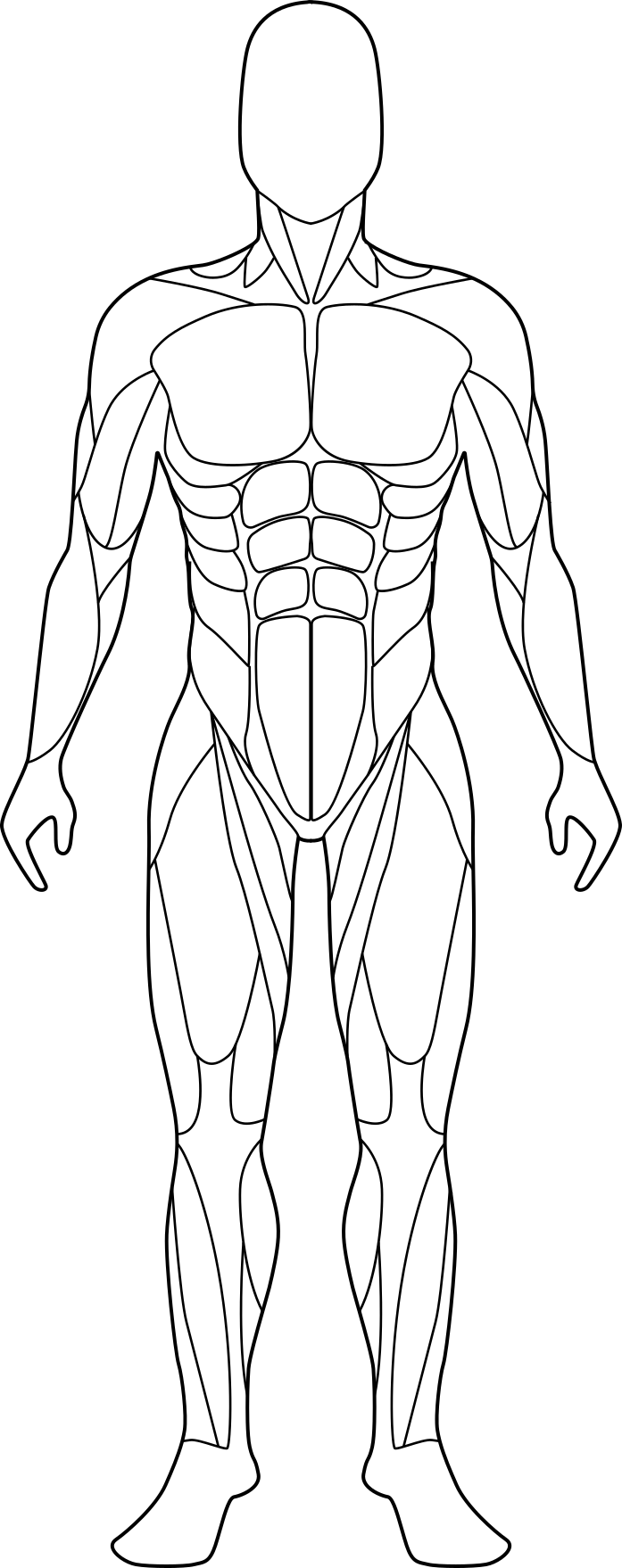
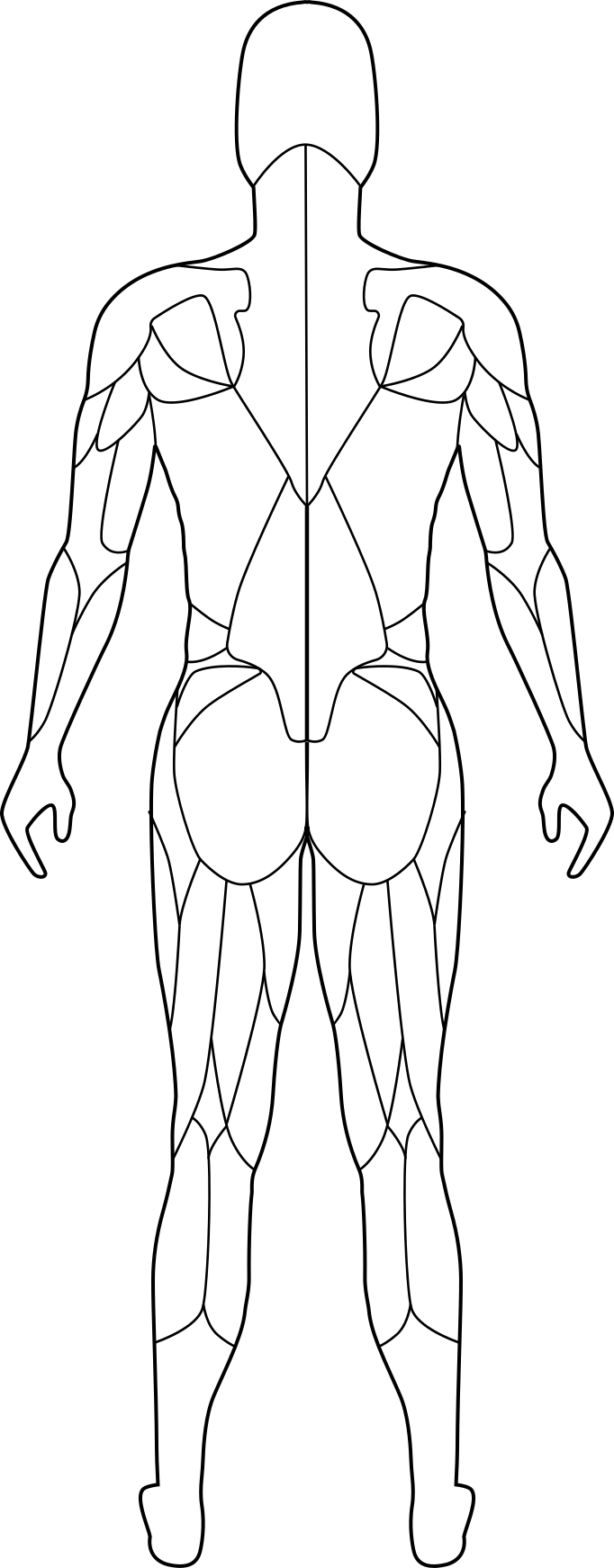
Muscles worked
The Rowing Machine mainly works your lats, with your biceps, quadriceps, hamstrings and posterior delts helping.


Setting up
- Sit on the seat and strap your feet in so the strap crosses the widest part of your foot, with the ball of the foot under it. Adjust the footplate so the strap sits roughly over the laces of your trainers, and your heels can lift as you slide forward.
- Set the damper (the dial on the side of the flywheel) to around 3 to 5 for most people. A higher number does not mean a better workout, it just makes each stroke feel heavier and more like lifting, which tends to ruin your technique.
- Grip the handle with an overhand grip, hands just outside shoulder-width, thumbs wrapped around the bar. Keep your wrists flat rather than bent up or down.
- Slide forward to the start position, known as the catch: shins roughly vertical, arms straight, shoulders slightly in front of your hips, and chest tall.
How to do the Rowing Machine
- From the catch, with arms straight and shins vertical, start the stroke by pushing hard through your feet to straighten your legs. Keep your arms straight and your body leaning slightly forward for this first part.
- As your legs come close to straight, swing your upper body back to about a 1 o'clock position, leaning back only slightly, while your arms are still straight.
- Once your hands have passed your knees, pull the handle in towards your lower chest, just below your ribs, driving your elbows past your body and squeezing your shoulder blades together at the end.
- At the finish, your legs are straight, you are leaning back slightly with your chest open, and the handle is touching your lower chest. Pause for a moment without slumping.
- Return in the reverse order: straighten your arms to move the handle away first, then hinge forward from your hips until your body leans slightly forward over your legs.
- Only when your hands have passed your knees, bend your knees and let the seat glide forward in a controlled way back to the catch. Take about twice as long on this return as on the drive.
- Repeat the stroke in a smooth rhythm, aiming for around 18 to 24 strokes per minute for steady rowing, and keep your breathing relaxed.
Form tips
- Think of the order as legs, body, arms on the way back, and arms, body, legs on the way forward. If you remember only one thing, remember that sequence.
- Most of the power should come from your legs. If your arms and shoulders feel like they are doing all the work, you are probably pulling too early.
- Keep the handle moving in a straight, level line to and from your lower chest, rather than lifting it up towards your chin or dropping it to your lap.
- Keep your shoulders down and relaxed away from your ears, and keep your chest tall with your spine long all the way through.
- Use the monitor as a guide, but focus on feel first. Smooth, controlled strokes at a steady rate are better than rushing and tugging at the handle.
Common mistakes
Pulling with the arms first
Keep your arms straight until your legs have pushed down and your body has swung back. Think of your arms as hooks that only join in at the end.
Leaning back too far at the finish
Stop at about a 1 o'clock lean, with your chest open and your ribs stacked over your hips. Finishing upright and tall is better than reaching far back.
Rushing the return
Slow down on the way forward and take about twice as long as the drive. Let the handle go away first, then hinge forward, then bend your knees, so you arrive at the catch under control.
Rounding the spine or hunching at the catch
Sit tall with your chest up and shoulders relaxed. Hinge forward from your hips, not by slumping your shoulders, and reduce the damper if you cannot hold the position.
How long and how hard
| Fat loss | 20 to 30 minutes at a steady, moderate effort where you can speak in short sentences, 2 to 3 times a week. Alternatively, try 8 rounds of 1 minute hard and 1 minute easy rowing, once or twice a week. |
|---|---|
| Improve fitness | 15 to 25 minutes at a comfortable, steady pace (around 18 to 24 strokes per minute), 2 to 3 times a week. Add a few minutes each week as it gets easier. |
| Warm-up | 5 to 8 minutes at an easy pace, where you can chat comfortably, gradually building the effort in the last minute or two. |
Rowing Machine alternatives
Machine taken, or want some variety? These work the same main muscles.
Rowing Machine FAQs
What muscles does a rowing machine work?
Mainly your lats, with help from your biceps and rear shoulders as you pull the handle in. Your quadriceps and hamstrings do a lot of the work in the leg drive. It is a full-body exercise, so it also raises your heart rate well.
What should I set the damper to on a rowing machine?
Most people do well between 3 and 5. It controls how heavy each stroke feels, and it is not a difficulty setting for the whole workout. If the stroke feels like a heavy lift or your form falls apart, turn it down.
How long should a beginner row for?
Start with 10 to 15 minutes at an easy pace, stopping to rest whenever your form slips. Build up gradually over a few weeks. If anything hurts, stop and get it checked.
Track your Rowing Machine progress
GymTracker builds your plan, pre-fills the weight from last time and tells you when to go up. Free.
Start free